Writer-Winkler Webb
If you're taking into consideration RLE eye surgery, it's critical to weigh both the advantages and threats. This procedure can significantly enhance your vision, specifically if you more than 40 and fighting with presbyopia. Nevertheless, possible problems and healing demands shouldn't be ignored. Understanding these elements can aid you make an extra educated choice. So, what should Vance Thompson Vision Refractive Lens Exchange Recovery West Fargo learn about just how RLE stacks up against LASIK, and what steps do you need to take after surgical treatment?
Trick Advantages of RLE Eye Surgical procedure vs. LASIK: Which Is Right for You?
When taking into consideration eye surgical treatment, how do you make a decision in between RLE (Refractive Lens Exchange) and LASIK?
RLE typically suits individuals over 40, especially those with presbyopia, as it addresses both vision improvement and cataracts in one procedure. Unlike Refractive Lens Exchange For Astigmatism , which improves the cornea, RLE changes the eye's all-natural lens, providing a lasting option for different vision issues.
If you have a high prescription or thin corneas, RLE might be a more secure choice given that it prevents corneal alteration. In addition, RLE can reduce your dependancy on glasses or calls substantially.
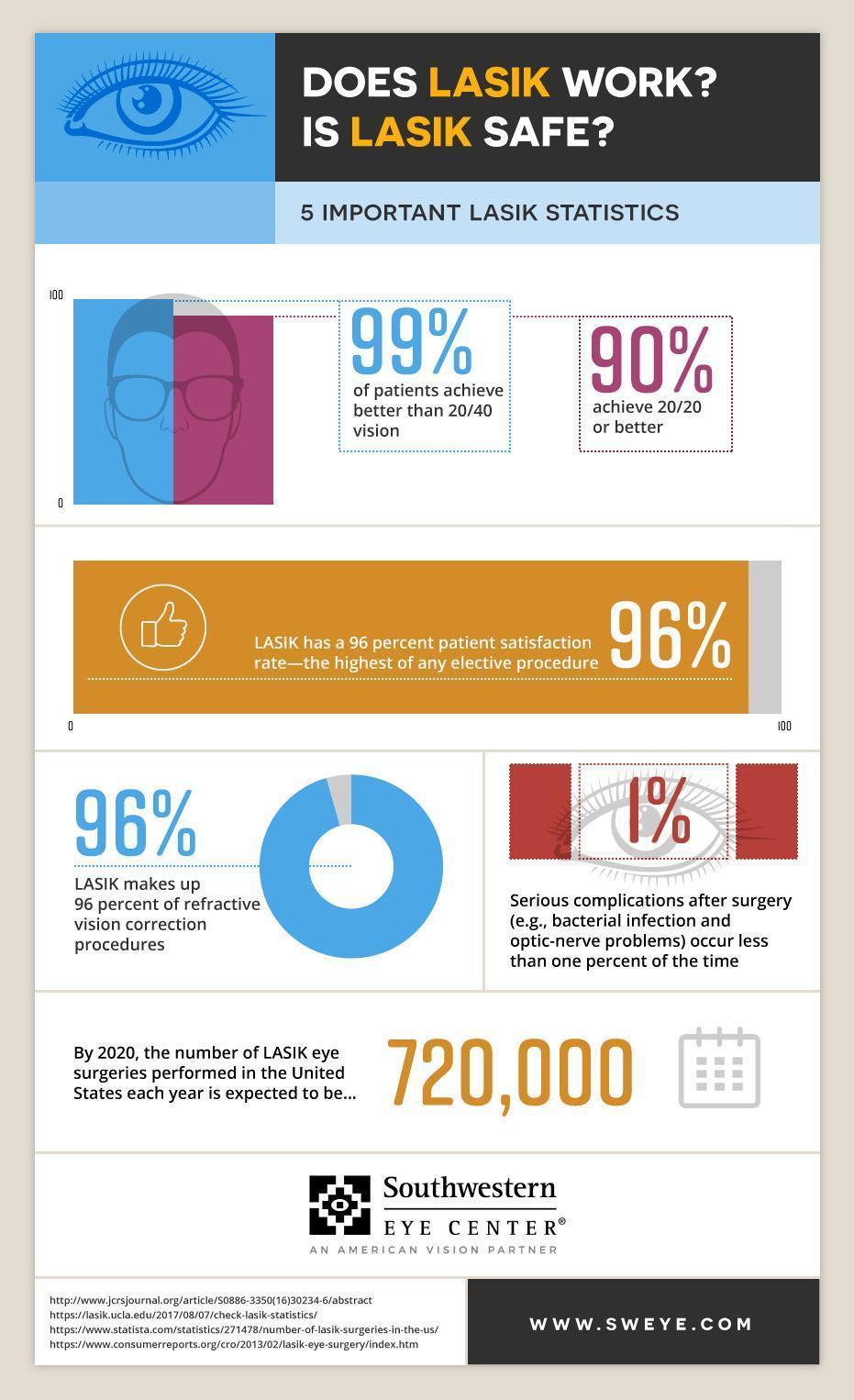
On the other hand, LASIK is quicker with a faster healing time.
Eventually, your way of life, age, and specific vision needs will direct your decision.
Secret Dangers to Take Into Consideration Prior To Going Through RLE Eye Surgical Procedure
Selecting RLE eye surgical procedure features its very own set of risks that you must very carefully review.
One major threat is the possibility for complications, such as infection or blood loss, which can influence your vision. You might likewise experience changes in your eye's structure, bring about issues like glare, halos, or trouble seeing during the night.
Not every person achieves perfect vision after surgical treatment, and some may still require glasses or calls. In addition, the treatment can be expensive, and insurance coverage might not cover it.
Last but not least, your eyes might take some time to maintain, resulting in possible irritation during healing. Prior to choosing, weigh these dangers versus the benefits to guarantee you're making the appropriate selection for your vision health and wellness.
Vital Recovery Tips and Timeline After RLE Eye Surgical Procedure
After undertaking RLE eye surgery, it's critical to adhere to a recuperation plan to make sure the best feasible end result.
First, relax your eyes for a minimum of a couple of days. Prevent straining them with displays or analysis. Remember to wear sunglasses outdoors to secure your eyes from brilliant light and dust.
Take prescribed medicines as directed, and participate in all follow-up visits. You might observe variations in your vision initially; this is typical.
Slowly return to daily tasks, but stay clear of hefty lifting or exhausting workout for a few weeks.
Keep moisturized and maintain a balanced diet regimen to support healing.
Final thought
In recap, RLE eye surgical treatment can be a wonderful choice for fixing vision, especially if you're over 40 and taking care of presbyopia. While it provides significant advantages, it's critical to evaluate the possible risks and comprehend the recovery procedure. By staying informed and following your doctor's advice, you can make the most effective choice for your vision needs. Constantly remember, prioritizing your eye health will settle in the long run!